Food Delivery Guides
Maybe a Jain friend is coming for dinner. Maybe you have a Jain guest at a family function, or a new neighbour, or a colleague who always asks the same few questions at the restaurant. In Surat, you will meet this question sooner or later: what can they actually eat?
The short answer is a lot more than people expect. The rules look strict, but they come from one simple idea, and once you know it the rest is easy to follow.
A quick note first. We run a food delivery app, we are not religious teachers. Jain families follow these rules in different ways, some more strictly than others, so use this as a general guide and ask your guest when you are unsure.
The idea behind Jain food
Jain food is built on causing as little harm to living things as possible. Almost every rule comes from that. It is why Jain food is strictly vegetarian, why vegetables that are pulled out of the soil are avoided, and why timing and freshness matter.
What Jains usually eat
- Grains and pulses: rice, wheat, bajra, dal, and other lentils and beans.
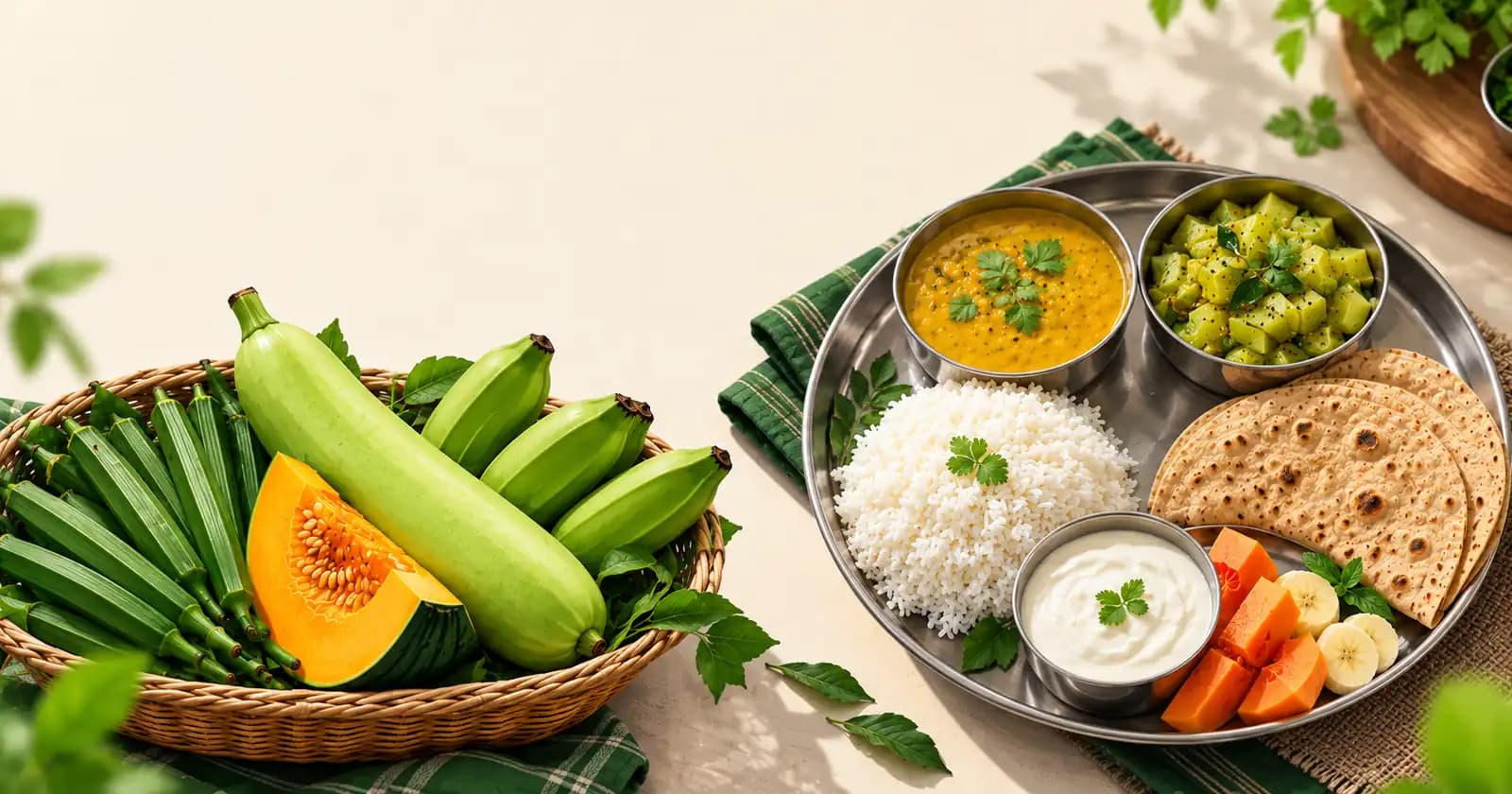
- Vegetables that grow above the ground: bottle gourd (dudhi), pumpkin, ridge gourd, okra (bhindi), raw banana and similar ones.
- Fruits and dry fruits, including nuts. Peanuts are accepted by many Jain families.
- Milk and milk products such as curd, paneer, butter and ghee.
- Spices that do not come from roots, such as cumin, mustard seeds, coriander and hing (asafoetida). Turmeric powder is accepted, but not fresh turmeric root.
What Jains usually avoid
- Meat, fish and eggs.
- Potato, onion, garlic, carrot, radish, beetroot and other vegetables that grow under the ground. Many families avoid fresh ginger too.
- Honey, because collecting it harms bees.
- Alcohol.
- Mushrooms and other fungi. Many families also avoid brinjal, cauliflower and cabbage, though practice differs.
- Food kept overnight or fermented for a long time, such as day-old curd or overnight dosa and idli batter.
Eating times and fasting
Timing is part of the rule. Many Jains do not eat after sunset, and the strictest do not even drink water until sunrise. So if you are cooking or ordering for a Jain guest, plan the meal for the daytime or early evening.
During Paryushana and other fasting days the rules become stricter. Many families also skip green leafy vegetables then, and eat all their meals before sunset. If a guest is fasting, ask what they can take instead of guessing.
Easy swaps cooks use
A kitchen without onion, garlic and potato is not a kitchen without taste. Raw banana and pumpkin stand in for potato. Cashews and tomato give gravies their body. Hing brings the savoury note that onion and garlic usually give. Many of your favourite dishes can be cooked the Jain way.
Common dishes that need care
| Dish | What to check |
|---|---|
| Pav bhaji | The mash is potato. Ask for a Jain version made with raw banana or pumpkin. |
| Dosa, idli, dhokla | Overnight fermented batter is avoided by many families. Ask if it is made fresh. |
| Sandwiches and chaat | Potato and onion are common fillings. Ask for a Jain version. |
| Pizza and pasta | Sauces often have onion and garlic. Ask how the sauce is made. |
| Biryani and pulao | Onion is usually the base. Ask for the Jain version and check the rice and gravy. |
| Fried snacks | Check that the oil or pan was not used for onion pakoda or potato items. |
Ordering Jain food in Surat
- Say “Jain” clearly. “No onion, no garlic” is not the same request, because the dish can still have potato.
- Pick a restaurant that makes Jain food every day, not one that makes it once in a while.
- Check the usual trouble spots: potato, hing versus onion in gravies, sauces, fried items.
- Order before sunset when you can, if the person you are ordering for follows that rule.
- If the rules are strict, check with the restaurant before you pay.
How Winngs helps
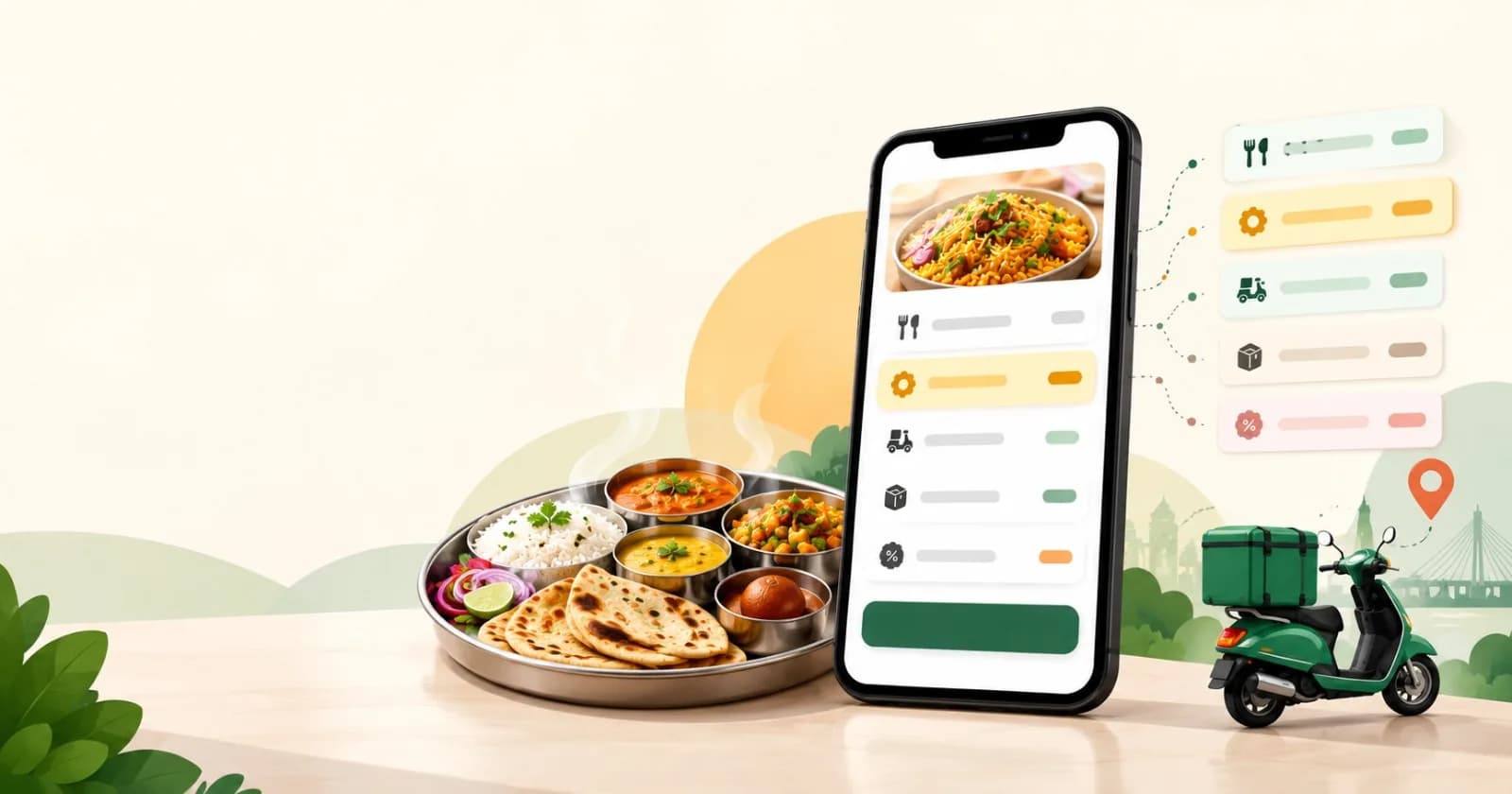
Winngs has a built-in Jain filter. Turn it on and the app shows only the restaurants and dishes that match, so you do not need to read every menu line. Restaurant partners mark their own dishes for the Jain filter. Our Jain food delivery page shows what is available in Surat.
You can also watch Live Prep Reels, the short videos restaurants post of food being cooked, to see how a dish is made before you order.
Delivery is free when the restaurant is within 5 km of you, and the platform fee is ₹6 per order.
Ready to order?
Download the Winngs app, set your address and switch on the Jain filter.
New to ordering online? Our guide shows how to order food online in Surat, step by step. You can also see all the areas we deliver to in Surat.
Frequently asked questions
Can Jains eat onion and garlic?
No. Onion and garlic grow under the ground, so Jain food leaves them out.
Can Jains eat potato?
No. Potato is a root vegetable, and Jain food avoids vegetables that grow under the ground.
Can Jains eat dosa and idli?
Many families avoid them when the batter is fermented overnight. Fresh batter made the same day is accepted by some. Ask the family or the restaurant.
Can Jains eat paneer, milk and curd?
Yes. Milk and milk products are generally part of the Jain diet. Curd should be fresh, not sour or kept overnight.
Can Jains eat after sunset?
Many Jains do not, and the strictest do not drink water either. Families follow this in different ways.
Does Winngs deliver Jain food in Surat?
Yes. Switch on the Jain filter in the app to see matching restaurants and dishes. Delivery is free within 5 km of the restaurant.
Order food in Surat with Winngs
Honest Pricing · Free delivery up to 5 km · Jain & Swaminarayan filters · 240+ restaurants
Get it onGoogle PlayDownload on theApp Store